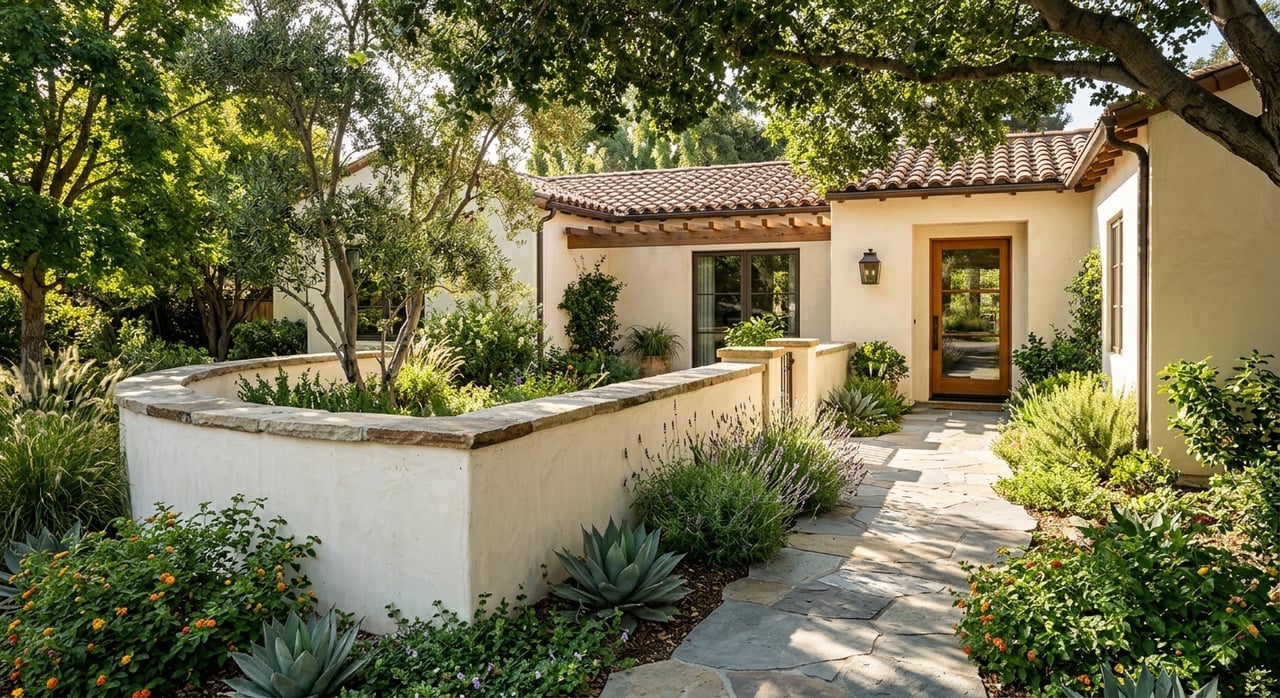
If you are drawn to neighborhoods with character, outdoor access, and a strong local feel, Arcadia usually lands high on the list. This part of Phoenix has built a reputation for leafy streets, older homes, and a lifestyle that feels both relaxed and connected. If you are wondering what day-to-day life really looks like here, this guide will walk you through the setting, housing, outdoor routines, and neighborhood energy that shape Arcadia. Let’s dive in.
What Arcadia feels like
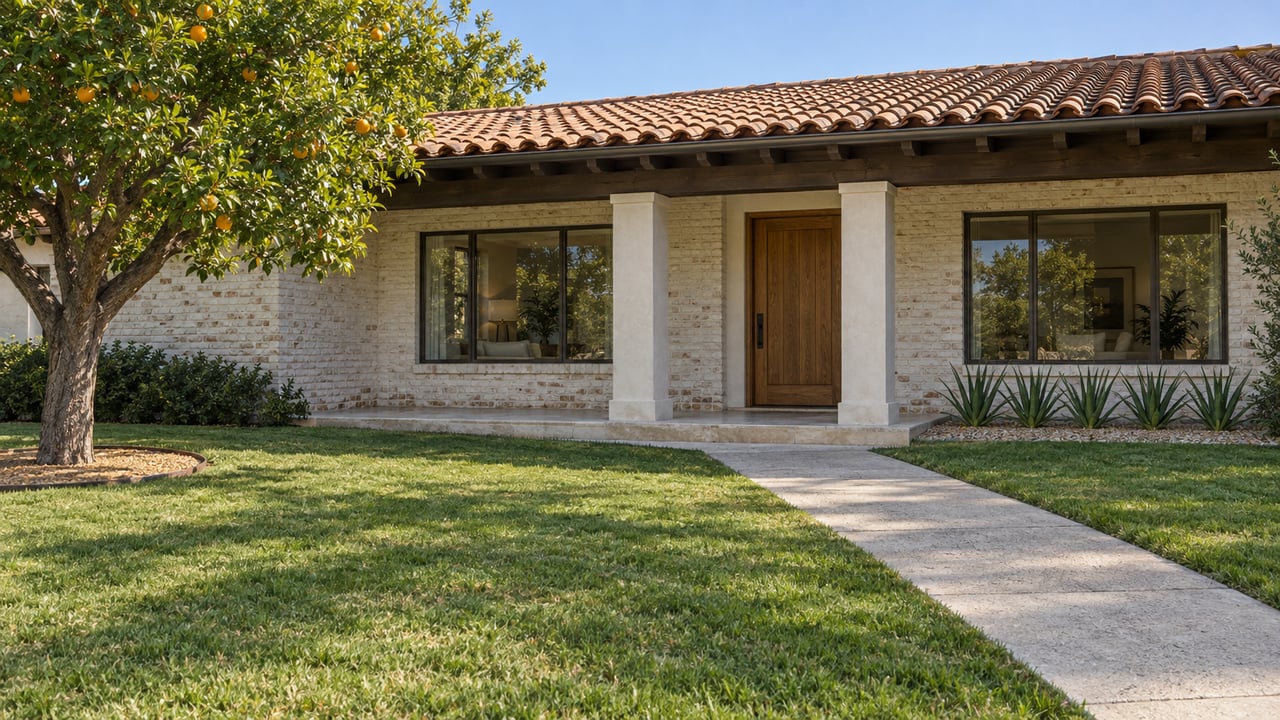
Arcadia is often described as one of Phoenix’s most recognizable neighborhood areas, set between Camelback Mountain and the Salt River. Local sources commonly point to its historic charm, mature citrus trees, broad lawns, and mid-century homes as defining features.
At the same time, Arcadia is not a single rigidly defined district with universally agreed-on borders. The City of Phoenix, local planning documents, and neighborhood associations describe overlapping pockets and subareas, so it is most accurate to think of Arcadia as a neighborhood identity rather than one exact outline on a map.
That identity matters because it shapes the experience people associate with the area. Arcadia tends to feel established, low-rise, and residential, with a mature look that stands apart from newer master-planned sections of the Valley.
Arcadia has a residential, established feel
One of the clearest themes in Arcadia is preservation of neighborhood character. The City of Phoenix uses the Arcadia Camelback Special Planning District to help sustain the area’s residential character and mature setting.
In practical terms, that means you will notice a streetscape that feels rooted and consistent. Instead of dense vertical development, Arcadia is more closely tied to single-family homes, larger lots, and landscaping that has had decades to grow in.
That older neighborhood fabric is a big part of the appeal. If you want a place that feels established rather than newly built, Arcadia offers a setting many buyers find appealing.
Homes in Arcadia
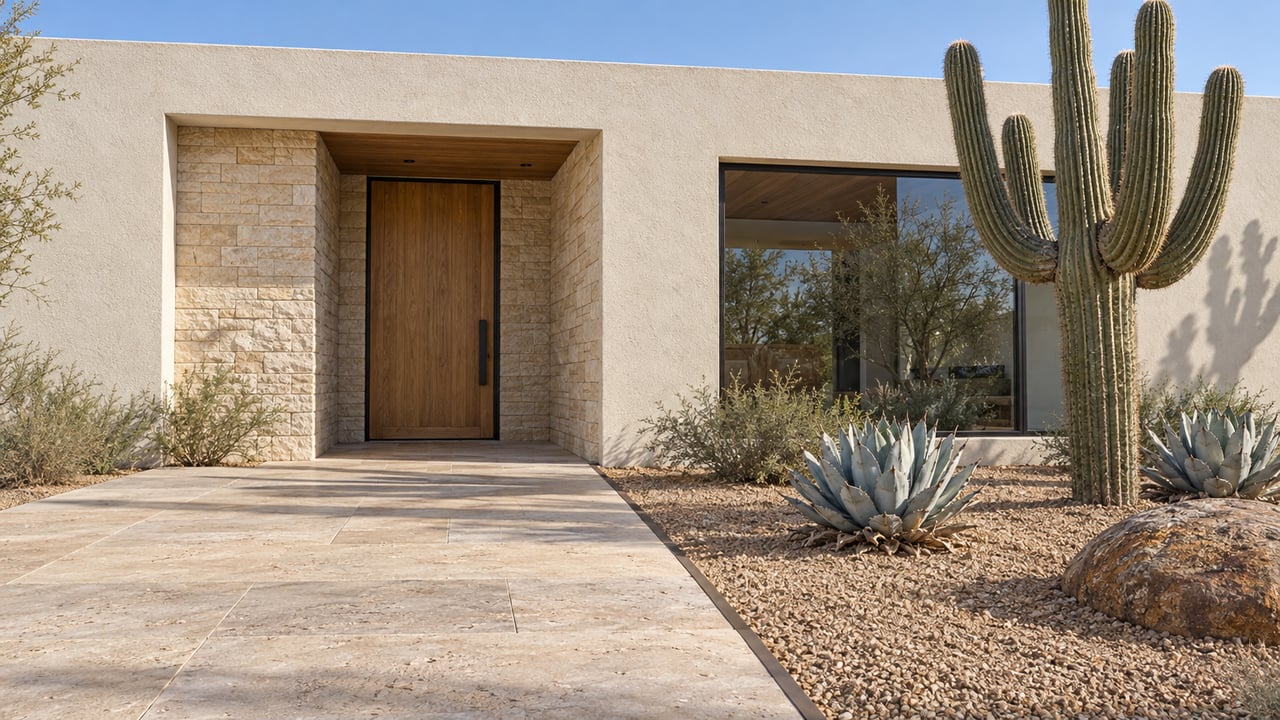
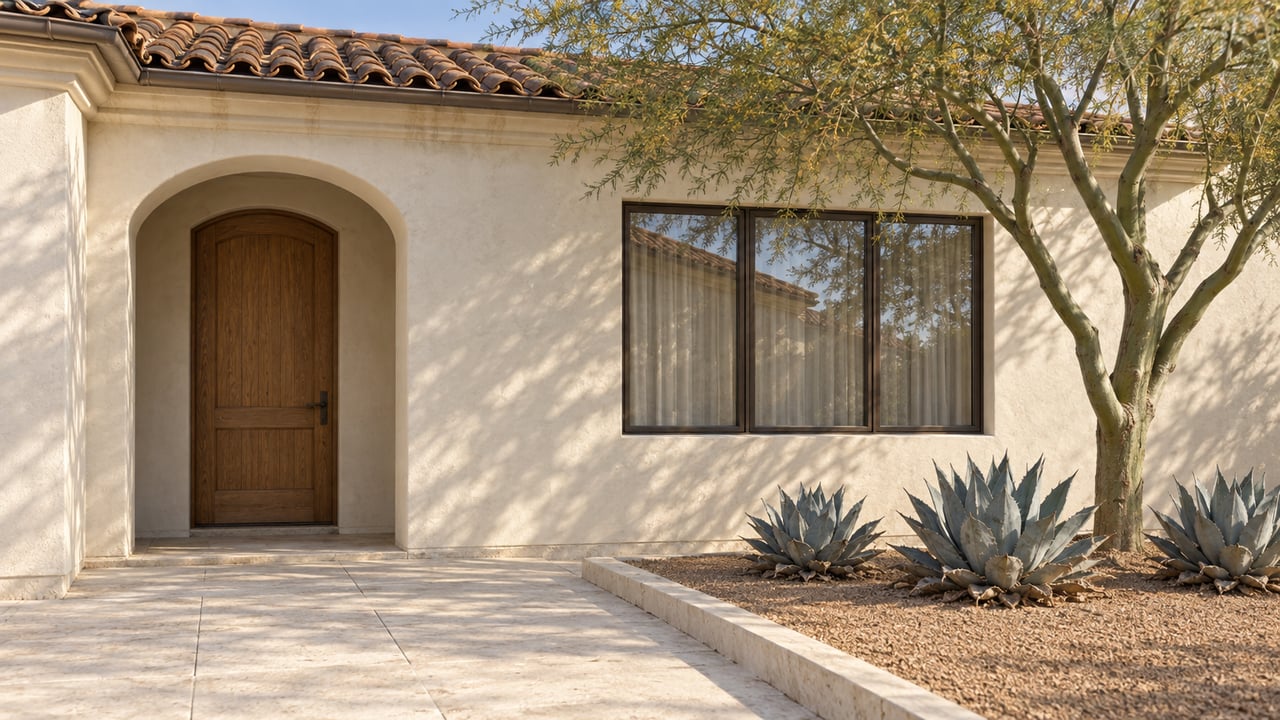
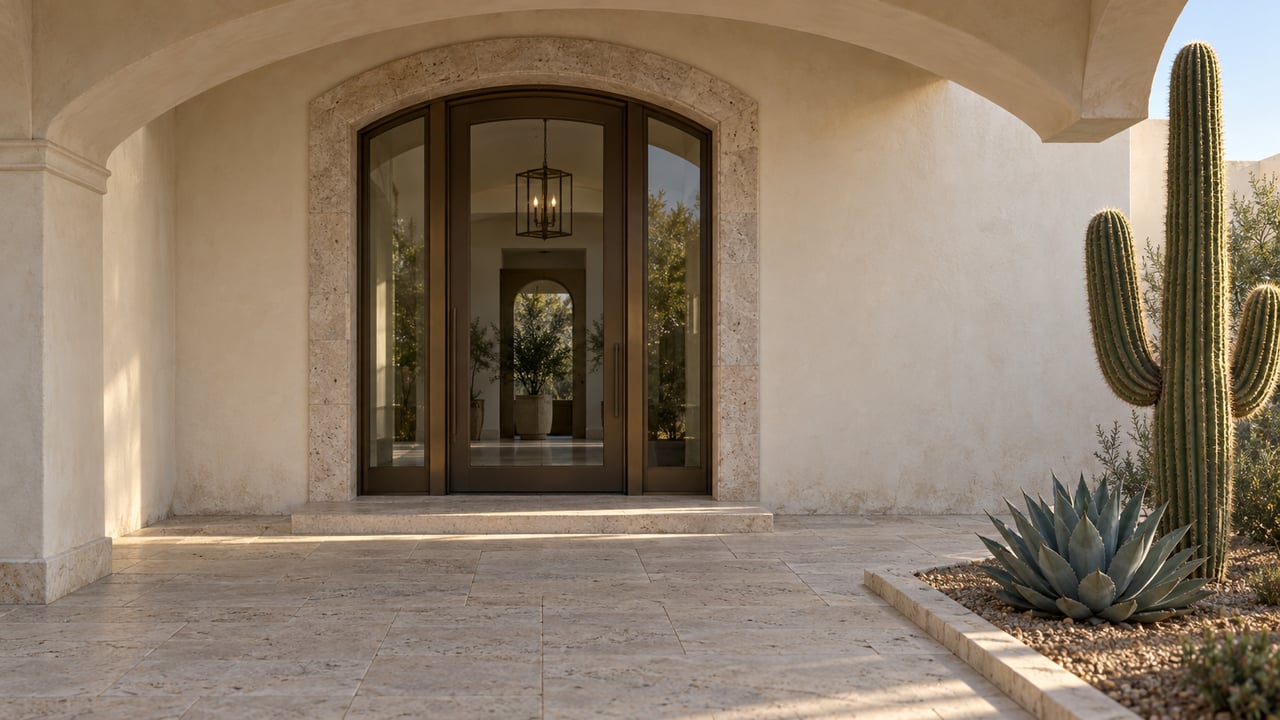
Arcadia’s housing profile leans heavily toward single-family homes. City planning materials describe it as a mature neighborhood with historically uniform homes, and much of the housing stock is associated with older ranch-style properties and remodeled homes on generous lots.
You will often hear Arcadia linked with mid-century ranch homes, mature trees, and homes that blend original character with updates. Some properties keep more of their vintage style, while others have been extensively renovated.
Because Arcadia boundaries can shift depending on who is describing them, housing style and lot feel can vary from one pocket to another. If you are home shopping here, it helps to evaluate each address and subarea closely rather than assuming every part of Arcadia feels exactly the same.
Outdoor life is part of the routine
Daily life in Arcadia often revolves around getting outside. One of the biggest reasons is the Grand Canalscape, a 12-mile off-street recreational trail along the Grand Canal that includes a wide concrete path, lighting, seating, signalized crossings, and multiple access points.
The City of Phoenix says this corridor improves walking and biking connections to nearby schools, churches, and businesses. For you as a resident, that translates into a more connected feel for jogging, biking, and neighborhood movement than you might expect in a largely residential area.
This is one reason Arcadia often feels more active than suburban. People are out walking, running, and riding, and that adds to the neighborhood’s everyday rhythm.
Arcadia Park adds everyday convenience
Arcadia Park gives residents a more traditional neighborhood park option. The city lists a playground, picnic area, restrooms, shade structures, drinking fountains, and a volleyball court, with hours from 5:30 a.m. to 10 p.m.
If you want a simple outdoor stop for a morning outing, a casual picnic, or time at the playground, this is part of what makes the neighborhood practical as well as attractive. It supports the kind of everyday use that helps a neighborhood feel livable.
Camelback Mountain is close, but intense
Camelback Mountain is one of the area’s most recognizable backdrops, and it absolutely shapes the visual identity of Arcadia. But it is important to frame it accurately.
The City of Phoenix rates the main summit trails as extremely difficult, notes limited parking, and prohibits dogs year-round. So while Camelback is a major local feature, it is better thought of as a serious hike than a casual neighborhood stroll.
Dining and local hangouts
Arcadia is also known for its dining scene. Visit Phoenix highlights a wide mix of well-known local spots, including O.H.S.O., Postino Arcadia, The Vig, The Porch, Vecina, Chelsea’s Kitchen, The Henry, Buck & Rider, LGO, Ingo’s Tasty Food, Chicago Hamburger Co., and Steak 44.
The common thread is less about one single style of restaurant and more about the atmosphere. Arcadia dining tends to be patio-friendly, neighborhood-oriented, and social, with a strong local regular vibe.
For you as a resident, that means you do not have to leave the area to find casual meetups, dinner spots, or places that feel woven into the neighborhood. That convenience adds a lot to daily quality of life.
Arts and culture have a neighborhood scale
Arcadia is not only about houses and restaurants. The Shemer Art Center, located at Camelback Road and Arcadia Drive, adds a local cultural anchor to the area.
It offers classes, workshops, lectures, exhibitions, events, and a sculpture garden. That gives the neighborhood a creative layer that feels accessible and community-based rather than purely tourist-oriented.
If you value places that offer hands-on programming and local events, this is one more piece of what makes Arcadia feel well rounded.
Community life in Arcadia
Arcadia’s community identity is reinforced by active neighborhood organizations. The Arcadia Camelback Mountain Neighborhood Association focuses on preserving the area’s non-commercial, single-family residential character and encourages involvement through newsletters, cleanups, an Arcadia Auto-Rama, and an Arcadia BBQ Picnic.
The Arcadia Osborn Neighborhood Association also promotes community involvement through planning and zoning discussions, block watch efforts, picnics, fundraisers, and other neighborhood activities. Together, these groups reflect a community where residents often take an active interest in the area’s future.
That does not mean every pocket feels identical. It does mean Arcadia has a reputation for neighbor-to-neighbor involvement and a strong sense of place.
What to know before you move here
The biggest practical point is that Arcadia can mean slightly different things depending on the source. Some people are talking about the Arcadia Camelback area, while others may be referring to Arcadia Osborn or nearby pockets that share the same identity.
If you are buying or renting in Arcadia, that matters for things like lot size, home style, and how walkable your immediate surroundings may feel. A home near the canal or close to popular dining may offer a different daily experience than one in a quieter interior pocket.
That is why neighborhood guidance at the address level is especially helpful here. In Arcadia, small location differences can meaningfully shape how the area feels once you live there.
Who Arcadia may suit best
Arcadia can be a strong fit if you are looking for:
- An established Phoenix neighborhood with a recognizable identity
- Single-family homes with character and mature landscaping
- Access to walking, jogging, and biking routes
- A local dining scene with a neighborhood feel
- A setting that balances residential calm with nearby activity
It may be especially appealing if you prefer older neighborhood fabric over newer, more uniform development. The area’s charm is tied closely to its maturity, outdoor culture, and local pride.
The bottom line on living in Arcadia
Living in Arcadia often means choosing character over cookie-cutter, outdoor access over isolation, and neighborhood identity over a one-size-fits-all setting. You get a part of Phoenix known for mature streetscapes, established homes, canal-side activity, local dining, and strong community involvement.
Because Arcadia is made up of overlapping pockets, the details of your experience can vary from one block to the next. But if you want a neighborhood with history, personality, and a lived-in sense of place, Arcadia stands out for exactly those reasons.
If you are thinking about buying, selling, or relocating in Arcadia or nearby Phoenix neighborhoods, gabriel petratis can help you narrow down the right pocket, understand the local housing feel, and move forward with clear, steady guidance.
FAQs
What is the Arcadia neighborhood in Phoenix known for?
- Arcadia is known for its historic charm, mature citrus trees, leafy streets, mid-century ranch homes, outdoor lifestyle, and strong local dining scene.
Are Arcadia neighborhood boundaries in Phoenix clearly defined?
- Not exactly. Local planning documents and neighborhood groups use overlapping boundaries, so Arcadia is best understood as a neighborhood area with several subareas rather than one fixed district.
What types of homes are common in Arcadia Phoenix?
- Arcadia is most associated with single-family homes, especially older ranch-style homes and remodeled houses on generous lots with mature landscaping.
Is Arcadia Phoenix good for walking and biking?
- Arcadia has a bike- and pedestrian-friendly feel in part because of the Grand Canalscape, which provides an off-street trail with multiple access points and improved neighborhood connections.
What outdoor amenities are near Arcadia Phoenix?
- Arcadia residents have access to the Grand Canalscape, Arcadia Park, and nearby Camelback Mountain, though Camelback’s main summit trails are considered extremely difficult by the City of Phoenix.
What is the dining scene like in Arcadia Phoenix?
- Arcadia is one of Phoenix’s best-known dining areas, with a mix of patio-oriented, neighborhood-driven restaurants that create a casual and social local atmosphere.